
There's no doubt that some men seem to age better than others. Men like Liam Neeson, Tom Cruise, and Denzel Washington have remained fit and active well into the decades of life when most men seem to be declining. But these examples make it clear that slowing down, losing muscle, and losing vitality are not an inevitable fact of getting older.
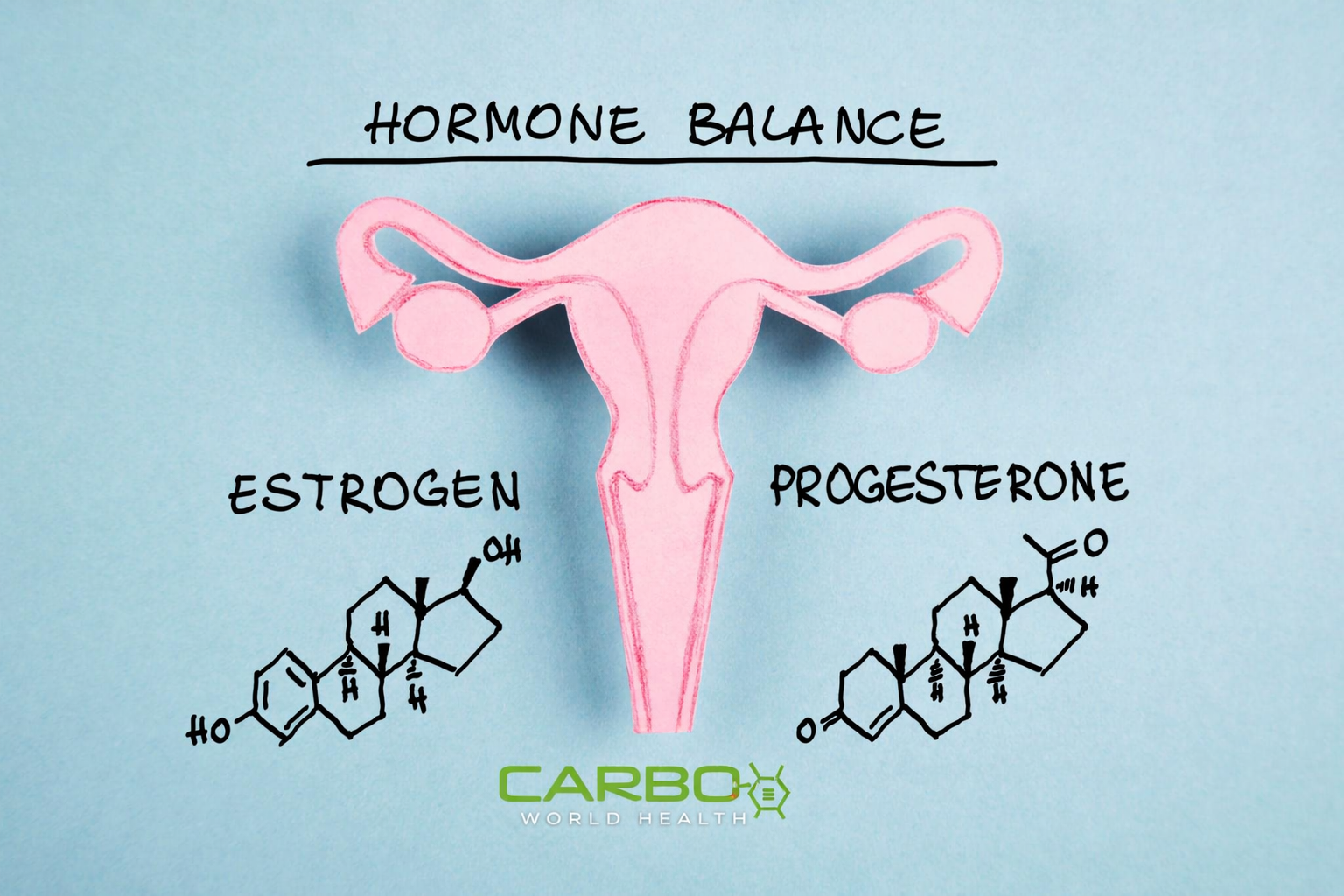
Testosterone is a hormone strongly correlated to man's physical heath and feeling of well-being. Normal testosterone levels aren't a flat standard; average testosterone falls into a range according to a man's age, with wide variations among individuals, and even the same individual at different times of day. However, most men's natural testosterone production slows down beginning in his late 20s to early 30s.
For many men, low testosterone is associated with a variety of health problems and risks, including heart disease and diabetes. But, due to these individual variations, it can be difficult to know when hormone levels might be a cause for concern, as opposed to simply normal aging.
Here is a list of low testosterone symptoms to be aware of:
- lowered libido
- difficulty achieving or maintaining an erection
- reduced semen volume at ejaculation
- change in sleep patterns, including fatigue and insomnia
- changes in mood, including depression and irritability
- hair loss
- weight gain around the waist or in the abdominal area
- reduced strength and/or muscle mass
- testicles that seem smaller or softer
Any one or two of these symptoms alone may not be cause for concern, but if you have four or more, or if any symptom is particularly troubling, it's worthwhile to visit a doctor to have your hormone levels checked. Some of the more serious health risks of low testosterone, such as reduced bone density, atherosclerosis, and insulin resistance, don't have noticeable external symptoms until a serious illness develops. And many of the above symptoms are also associated with other potentially dangerous conditions, so it's important to take it seriously and get yourself checked.
Despite the risks posed by low testosterone, the good news is that it can easily be corrected. There are a variety of safe, effective ways to elevate testosterone back to higher levels. Hormone replacement therapy significantly improves a man's health and mood within a relatively short period of time:
- Higher self-reported quality of life – 4 weeks
- Increased sexual interest – 6 weeks
- Reduced inflammation – 12 weeks
- Greater muscle strength – 16 weeks
- Reduced body fat – 16 weeks
- Improved bone density – 26 weeks
- Improved erections and ejaculation – 26 weeks
- Relief of depressed mood – 30 weeks
- Red blood cell production – 52 weeks
- Improved lipid profile – 52 weeks
- Improved insulin sensitivity – 52 weeks
There is also evidence that higher testosterone levels improve a man's memory and cognitive function, reducing risk of Alzheimer's and Parkinson's Diseases.
With all this evidence, there is no reason for a man to think that decline in health with age is simply inevitable. Care, attention, and intervention can make all the difference in how a man feels about himself now, and for years to come.Join The Carbon VIP Club
Get insider access to longevity strategies, exclusive offers, and performance insights from the Carbon Team.
- Share this article: